
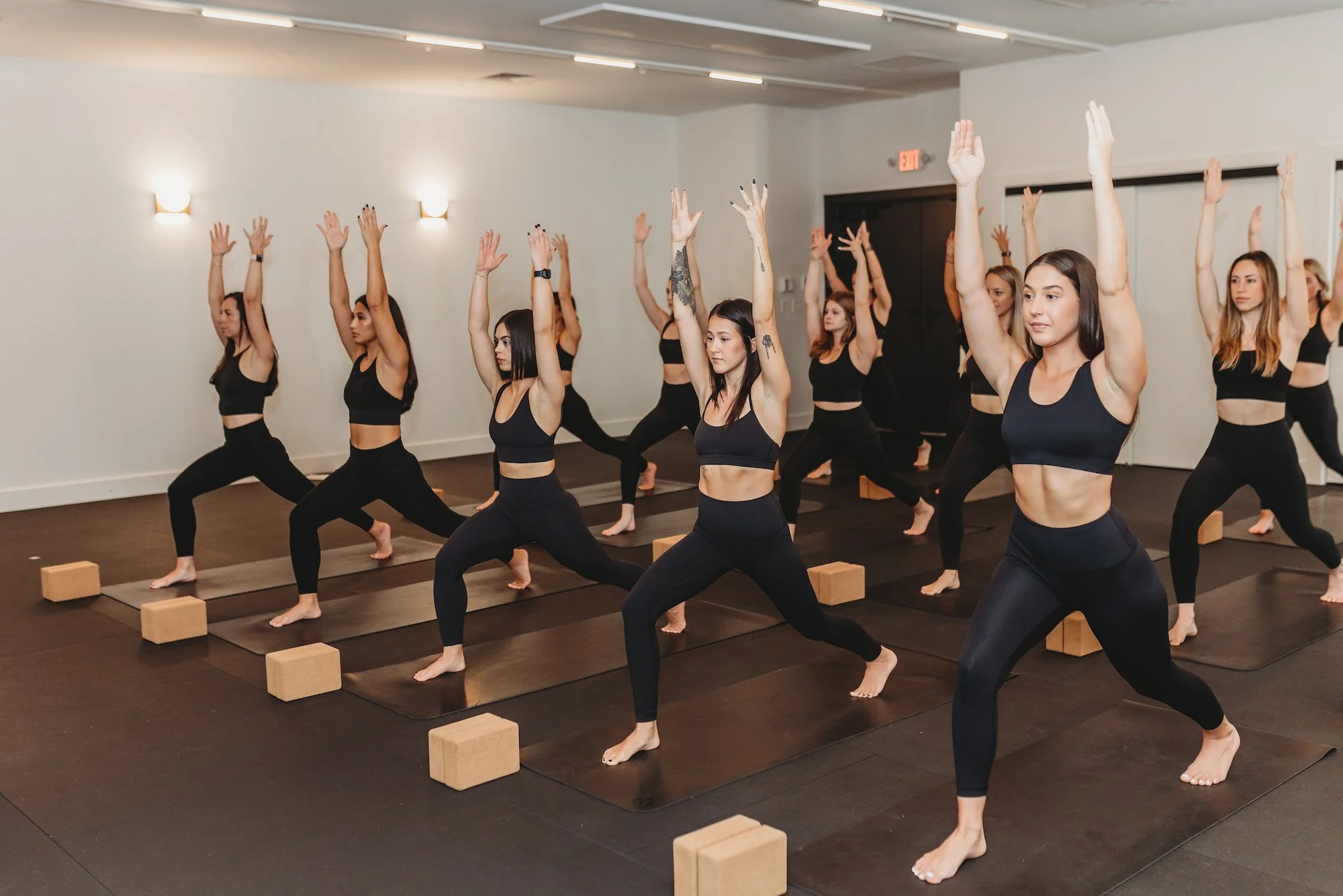
A hot yoga class may end when participants leave the room, but the studio’s work continues. Heat, humidity, sweat and tightly spaced timetables create operational demands that do not exist in the same way in a conventional exercise room.
Facilities offering hot yoga need enough turnaround time to clean contact surfaces, manage room conditions, inspect the floor and prepare the environment for the next group.
Turnaround Time Is Part of Capacity Planning
Scheduling classes close together can increase apparent studio utilisation. However, insufficient turnaround time can produce wet floors, stale air and delayed entry.
The correct buffer depends on class size, room design, ventilation, cleaning process and equipment.
A studio should calculate how long the complete reset takes under realistic peak conditions. The timetable can then be designed around that requirement.
Reducing the buffer without changing the process merely transfers pressure to staff and the next class.
Participant Exit Must Be Organised
At the end of class, participants need time to stand safely, collect belongings and leave without crowding.
A sudden rush towards one door can obstruct staff and increase the chance of slipping on damp areas.
Clear routes and instructor guidance support an orderly exit. Participants should take personal towels and bottles while leaving shared equipment according to studio procedure.
Lost-property checks can be combined with the first room inspection.
Floors Require Immediate Attention
Sweat can move beyond individual mats onto surrounding floors and walkways.
Staff should identify wet areas before the next group enters. Cleaning products must be suitable for the floor and should not leave a slippery residue.
The surface also needs enough time to dry. A floor that looks clean but remains damp can still create risk.
At True Fitness Singapore, operational consistency across cleaning, class scheduling and member entry contributes to the overall studio experience.
Cleaning and Disinfection Are Different Tasks
Cleaning removes sweat, dirt and residue. Disinfection targets microorganisms using an appropriate product and contact process.
Applying disinfectant to a visibly dirty surface may reduce its effectiveness. Studios need a procedure suited to each surface and local requirements.
Products should be compatible with floors, handles and shared props. Strong chemical odours can make a heated room uncomfortable.
Staff need training in dilution, contact time, ventilation and safe storage.
Air Quality Must Be Reset
Participants produce heat, moisture and carbon dioxide. Odours can also accumulate during a full class.
Ventilation should help exchange or treat air between sessions. Simply reheating the same stagnant room may create an unpleasant environment.
The building system, outdoor humidity and studio design affect how quickly conditions can be restored.
Doors may be opened during turnover if this fits the environmental-control plan, but uncontrolled outside air can also alter humidity substantially.
Temperature and Humidity Need Separate Control
Temperature alone does not describe the room experience. High humidity reduces the rate at which sweat evaporates, making the same temperature feel more demanding.
After class, moisture from participants may remain elevated even if the heating system is switched off.
Studios should monitor both variables and understand how quickly their ventilation system responds.
The next class should not enter merely because the thermostat displays the target temperature. Humidity, air quality and floor condition also matter.
Equipment Must Be Reset Predictably
Blocks, straps and other shared props need inspection and cleaning according to material and manufacturer guidance.
Equipment should be returned to clearly marked locations. Missing or damaged items can then be identified before the next class begins.
Storage areas should allow cleaned items to dry. Placing damp props into a closed cupboard recreates moisture problems.
Personal mats and towels should not become mixed with shared equipment.
Staff Workflow Should Be Designed, Not Improvised
A reliable turnaround has defined responsibilities.
One team member may inspect and clean the floor, while another manages props, ventilation and participant entry. The exact division depends on staffing.
A checklist can reduce omissions during busy periods. It should be short enough to use and specific enough to be meaningful.
Staff should also have authority to delay entry if conditions remain unsuitable. Timetable punctuality should not override room readiness.
Entry Timing Affects Member Perception
Allowing the next group into the room too early can interfere with cleaning. Keeping members waiting without explanation creates a different problem.
Studios should communicate when entry will begin and where participants should wait.
The waiting area requires enough capacity, particularly during peak hours. Queues should not obstruct exits or other facility users.
A predictable entry process makes the turnaround feel intentional rather than delayed.
Maintenance Problems Need Escalation
A wet patch that repeatedly appears in one location may reflect condensation, a leak or an airflow problem rather than participant sweat.
Sensors that show unusual humidity recovery may indicate an HVAC issue. Persistent odour can point towards hidden moisture or inadequate cleaning.
Staff should record recurring problems instead of solving each occurrence temporarily.
Preventive maintenance is less disruptive than closing the room after a major failure.
Turnaround Data Can Improve the Timetable
Studios can record actual cleaning duration, drying time and condition-recovery patterns across different class sizes.
This data may show that a popular evening class needs a longer buffer than a smaller daytime session.
Dynamic scheduling can improve capacity without applying one arbitrary turnaround time to every slot.
The business objective is dependable usable capacity, not the highest theoretical number of classes.
Frequently Asked Questions
Q: How much time should studios leave between hot yoga classes?
A: There is no universal interval. The buffer should reflect cleaning, drying, ventilation, equipment reset and safe participant movement.
Q: Is reheating the room enough after cleaning?
A: No. Temperature, humidity, air quality and surface dryness all need attention.
Q: Can studios use strongly scented cleaning products?
A: Strong scents may become uncomfortable in a heated room. Products should be effective, surface-compatible and properly ventilated.
Q: Why might a class start late after the previous session?
A: The room may require additional drying, cleaning or environmental recovery. Clear communication helps members understand the delay.
Q: What should staff do if humidity does not fall as expected?
A: Check ventilation and sensor function, document the issue and escalate it for technical assessment rather than ignoring the pattern.