
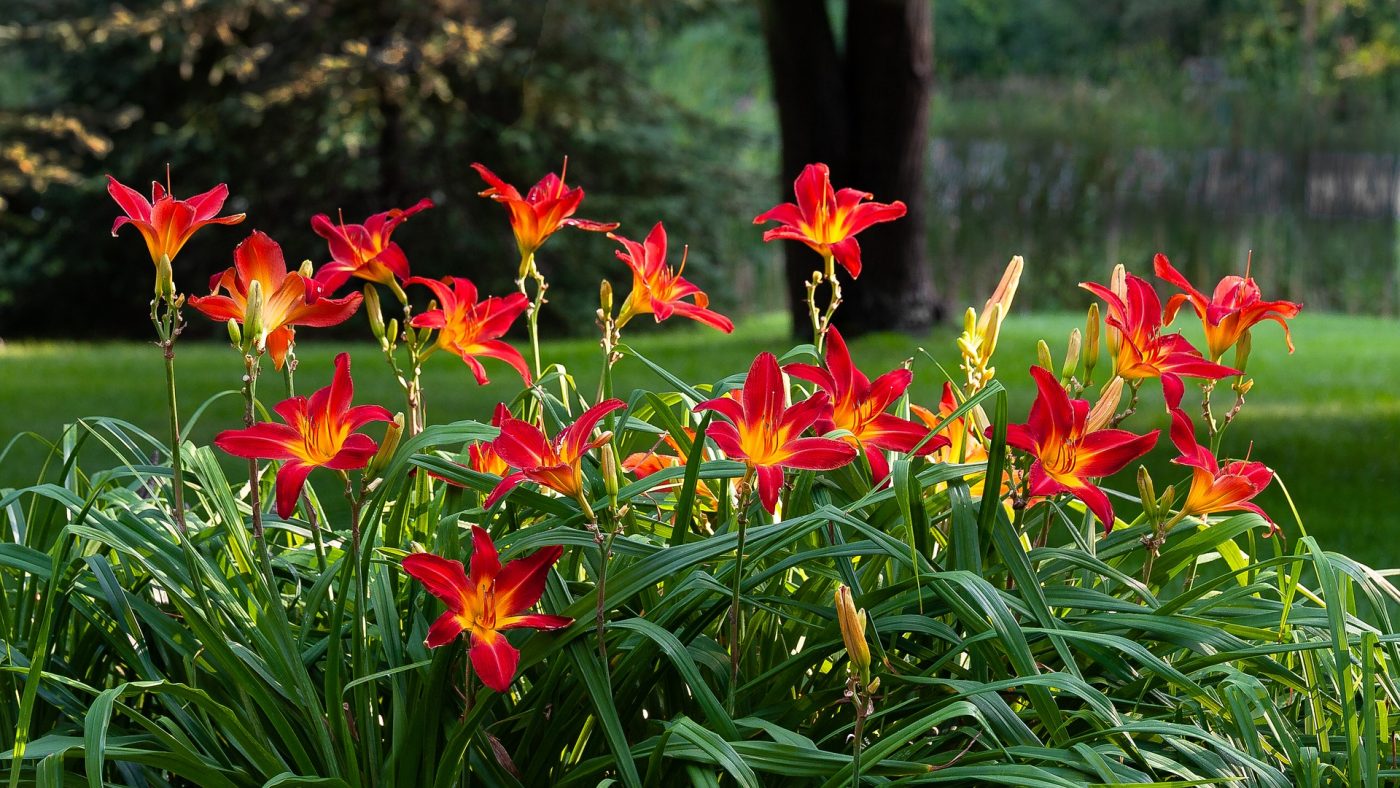
Walk past a daylily clump in the morning and count the flower stems you would miss if you picked them. A mature plant may have enough stems to spare one from the back. In a younger clump, taking its tallest stem could remove most of the buds you were looking forward to seeing outdoors. The decision starts here, before you choose a vase or fetch the secateurs. Daylily flowers are short-lived, while a stem with several well-developed buds offers a succession. You can plan for that little relay by setting aside a modest cutting row or by picking selectively from a border already in flower. In either setting, what stays in the garden matters as much as the stem you carry away.
In advice for gardeners who want to bring a few flowers indoors, the premier grower of daylily plants at SwallowtailDaylilies recommends picking from mature clumps with stems to spare. The grower looks for a stem with its first bud close to opening and several more developing behind it. Each flower has a short life and the appeal lies in the succession as those buds open. The nursery also advises removing spent flowers to leave space for the next flowers and choosing a cool, bright position for the vase. This gives the gardener two useful checks before making a cut. Look at the mix of buds on the stem, then step back to see how many stems will still be visible outdoors. A stem with several buds is worth leaving in place if it carries most of the next flowers in the part of the border you see every day.
Keep daylilies out of homes with cats. Flowers, pollen and water from the vase are all hazardous to them. If cats have access to your garden, choose a different plant for cutting there as well.
Set Aside Stems You Are Happy to Lose
A cutting row makes sense when you regularly bring in flowers and have somewhere to put a row that will look uneven in bloom. You can pick a particularly useful stem without opening a gap in a bed designed to be seen from a window. Give the clumps enough room to develop, with access to both sides if the row is deep. If you have to reach across one clump to harvest from the next, smaller buds may catch on your sleeves before you get the chosen stem free.
A mixed border makes sense when you pick infrequently and have well-established plants. Look at the clump from the main viewing position just before you cut. Several stems on the side away from the front may give you a choice, especially if the flowers in front are at similar stages of development. A stem with most of the fresh buds at the front of the display may be best left where it is. A short arrangement gives you more scope to choose from stems tucked behind that view.
A single row need not be made up solely of daylilies. Allocate a section to plants with a different stem shape or flowers that hold well after cutting. Then you still have a reason to visit the row in weeks when few daylily stems are ready. Where the space was intended for summer display as well as harvesting, plant with some of the structure facing away from the access path. Pick the plants you can reach from there without walking across the soil.
Leave a young plant to build up when the display is coming from one or two stems. Observe it in flower first. After the clump becomes fuller, you will have a clearer idea how many stems you can spare and still enjoy it outdoors.
Choose for the Stem and Its Branches
As you compare daylily plants for sale, ask to see a photograph of the whole flowering plant. A close view shows the bloom’s shape and markings. A wider view shows where buds sit on the flower stalk, known as a scape, and how easily you could reach it among the leaves. Look for a sturdy stem with room between the branches for the flowers to open.
Decide what you will actually put the stems in. For an upright vase, think about the length of usable stem below the lowest bud, and whether the weight of the flowers will be well supported. A shorter stem might be more manageable in a squat, heavy vessel on a dining table. A tall cultivar whose buds cluster near the top can work in a narrow vase if it stands securely. Branches spreading to both sides need more space where the stems emerge from the neck.
A catalogue bud count describes the cultivar’s performance under particular growing conditions. Use it alongside evidence about how many stems a clump produces, when its buds reach picking stage and how stems hold up after cutting. When you visit a garden or nursery, pay attention to the distribution of buds along individual branches. For occasional picking, look for the ones with buds at visibly different stages.
Keep the garden growing conditions in view while choosing for the vase. Hemerocallis generally flowers best in good light and in soil that stays moist without waterlogging. A named cultivar that gives strong stems and plenty of buds in a site like yours is an easier choice to justify than one you know only from a photograph. If space is tight, try one clump before deciding how much of the cutting row to give it.
Read the Buds Before Making a Cut
Look for a stem where the oldest unopened bud is plump and close to opening, with younger buds developing behind it. Colour showing through the bud can help you judge the stage on a cultivar you know. A stem carrying mainly tight, small buds gives you less evidence that any will open in the vase. If most of its flowers have already opened and faded, the remaining display may be brief.
Follow a few marked stems while they are still attached. In the evening, pick out the buds that look closest to opening. Check the same stems the next morning and compare the buds you expected to open with the ones that actually did. This small observation helps you recognise the stage on your own plants, where the exact appearance changes with the shape and colour of each cultivar. It also gives you an excuse to leave a promising stem for another day if the buds still look too tight.
Choose a dry, cool part of the day when possible. The RHS advises picking cut flowers early while they are well hydrated and putting the stems into water promptly. Take water with you if the cutting area is some distance from the house. Use clean, sharp secateurs and reach into the clump carefully so you can see which stalk you are cutting. Leave the surrounding leaves and any other developing flower stems in place.
Sometimes a stem is ready when you have little room left in the vase. Leave it for the garden unless it solves a specific need in the arrangement. The appearance of another open flower outdoors is part of the value of the plant. Keeping that in mind also helps protect the view when several clumps in a small border bloom together.
Arrange for Flowers That Open in Turn
Leave a little space around the outward-facing buds when you arrange the stems. The gaps will fill as flowers open, and you will need to reach in to remove the fading ones. A vase built closely around the first open flower may be awkward to maintain once another branch comes into flower. If you want the arrangement to show well from the side, turn the most developed buds towards the part of the room from which you will see them.
Use clean water and a clean vessel, and keep any foliage from companion stems above the waterline. Recut the stem ends with sharp secateurs before arranging if they have been out of water. A cool, bright position away from direct sun and radiators suits most cut flowers. Where the vase stands on a narrow table, check its stability before adding heavy stems. Cut each stem to the length the vessel can hold securely.
Check the display daily. Remove flowers as they fade, taking care around the next buds. Refresh the water as it becomes cloudy or runs low and clean the vase when needed. Buds may open over several days. The cut stage, condition of each stem and the room all affect the outcome, so assess the vase by what develops through that particular batch of stems.
Companion foliage or another flower with a steadier appearance helps the arrangement hold its shape while the daylily buds change. Leave an opening beside a daylily stem so you can lift it out cleanly once the last useful bud has finished. If the arrangement is for a particular meal or visit, use a freshly open flower where you want an immediate presence. Keep a few buds in reserve if you also want something to see over the days that follow.
Look Again at the Border After Picking
Choosing one stem may determine how much colour is left outdoors over the next few days. After cutting, stand at the usual viewing point and look across the clump. Notice whether a visible patch of leaves now has little colour above it. The gap matters most where the rest of the bed is quiet. A neighbour already in flower may carry the view until more daylily buds open.
In a border used mainly for display, spread occasional cutting across mature plants if several are ready. For a single plant that provides most of the colour, consider taking one bloom for a one-day arrangement while leaving its scape and the remaining buds outdoors. This approach suits someone who wants to enjoy a flower at close range for a particular occasion. If you want a display that changes over time, choose a whole stem from somewhere it will be easier to spare.
In a cutting row, leave a few stems to follow to the end of flowering. They show how widely the openings are spaced and whether some branches are more useful than others. This information also helps you recognise a cultivar that gives many stems at once and then finishes, or one that offers a few usable stems on more visits. If you tend to bring flowers in on weekends, that difference can matter more than the tallest stem you recorded.
If most of the useful stems turn out to be in the hardest place to reach, revisit the row’s arrangement when you next divide or add plants. Put the easiest stems to harvest nearest the working side. Let the parts used primarily for viewing retain their best stems. A small adjustment to the next planting often makes picking easier than repeatedly trying to reach into a mature clump from the wrong side.
Decide What to Grow for Next Season
Make a short record while the plant is in flower. Note how many stems you took, how the garden looked afterwards and which buds opened in the vase. Include the date and whether you picked during a hot spell. A stem that opened steadily in a cool room may behave differently in the same vase during a warmer week. Use several observations when deciding how much room to give the cultivar.
A gardener who cuts a few stems for home may discover that mature border clumps give enough. If the outdoor display has obvious gaps after each harvest, a separate row is worth considering. Start with enough space to walk between plants when their leaves have spread. In a garden with limited room, the better choice might be a small group meant for both uses, paired with companion plants to carry colour after a cut.
Choose where a disappointing result needs an adjustment. A head of flowers that crowded the vase points to stem distribution or vessel shape. A handful of buds that failed to open points first to the stage at which they were picked. A garden clump that offered only one usable stem may simply need time to establish. Address the observed limit before replacing it with a cultivar described as more vigorous.
Plan for the flowers you enjoy in both places. If your pick of the summer was one graceful stem over a small table, there is little reason to devote a large bed to harvesting. If you regularly wished you had more buds indoors without taking away the view outdoors, set aside a modest area to grow stems specifically for picking. You will know what to look for when those plants start to send up scapes of their own.