
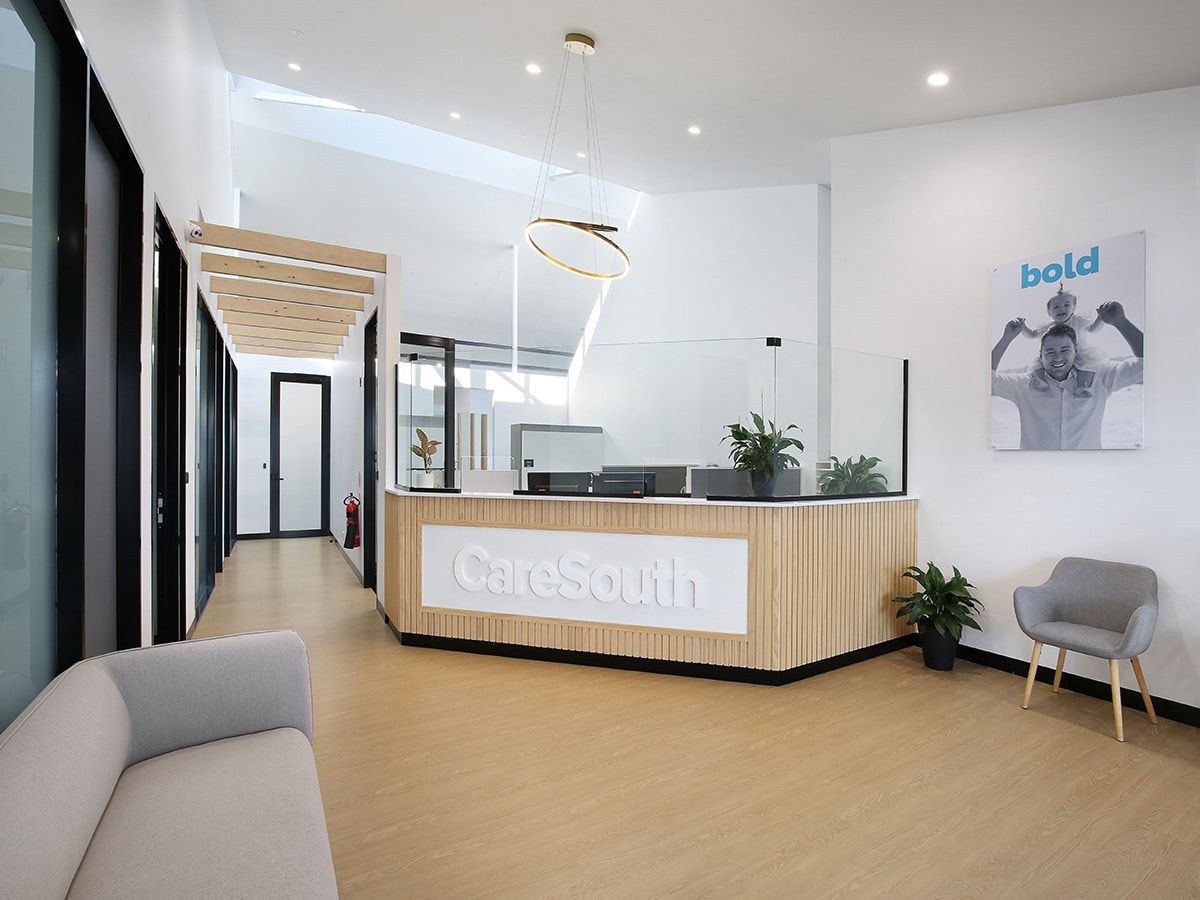
Healthcare fitouts are not just interiors; they are total renovations to ensure your rooms comply with strict industry regulations, all the while ensuring your patients a level of comfort and function. Whether you are setting up a general practice, medical centre or specialist rooms, having the fitout process go smoothly is essential to your long-term success. If you are a professional looking for dental fitouts Australia, you know how important precision and compliance are for your business. This guide will take you through the process of a fit-out in the healthcare industry from start to finish, with insights into stages, design and compliance requirements to be met to reach completion of the highest standard.
Understanding the Scope of Health Care Fitouts
What is a Healthcare Fitout?
A healthcare fitouts are simply the process of converting your empty or existing premises into a fully functioning healthcare facility. This can be as general as architectural and electrical or as specific as furniture and medical equipment. Unlike traditional commercial settings, healthcare visually adheres to medical regulations, infection control criteria, and ergonomics.
Whether it is for a GP clinic, allied health centre or for dental fitouts Australia, planning is everything, and what follows must both look and perform the part to optimise for efficiency, safety and comfort for both staff and patients.
Key Sectors Benefiting from Fitouts
Healthcare—ranging from doctors and dentists to physiotherapists and pathologists, etc. All of these environments will have a different layout that fits snugly within the workflow. For instance, dentist fitouts in Australia must be able to host dental chairs, sterilisation rooms, X-ray equipment, and waiting areas—it all requires a high degree of spatial accuracy and tight hygiene requirements.
Phase 1: Planning and Concept Development
The key to every successful healthcare fitout is a comprehensive and collaborative planning stage. This starts with knowing what business it is that needs servicing and how many and which types of consult rooms, treatment rooms and back-of-house facilities are needed.
Site Selection and Evaluation
The location is key. It is to be compliant with building code and allow for easy access, particularly in a healthcare environment where patients may have access challenges. Assessing the site for what’s already there in terms of structure and zoning regulations can help you avoid costly changes later.
Design Brief Creation
Well, that is a very detailed design brief that you are not only giving but also acting like a roadmap that shows what you want, what you must have, any compliances you need and also budget-related information. The input would be architects, engineers and doctors, critical because they are able to mesh design with real life.
Phase 2: Design and Compliance
Functional and Aesthetic Considerations
A good design is a design that is a combination of utility and beauty. A professionally designed and constructed healthcare fitout will contribute to staff productivity, reduce the risk of cross-contamination, as well as positive environment stretchered to patient recovery. Material selection is key here—non-porous surfaces, anti-microbial paint, and ergonomic furniture are just a few examples of what goes into making a space that is safe and welcoming.
With dental fitouts Australia-wide, focus on chair placement, sterilisation flow, and lighting that meets Australian dental practice requirements, with the added wow factor of patient comfort and staff workload logistics.
Compliance and Accreditation
For healthcare fitouts, there are many restrictions according to Australian Health Facility Guidelines (AusHFG), building code and infection control. Practices may also be required to comply with standards set by an accredited body, such as RACGP or QIP.
An experienced fitout partner will design and build to meet these and other regulations, minimising exposure to expensive reworks or an inspection failure. This is especially imperative in dental fitouts where strict adherence to radiation shielding and sterilisation protocols is required.
Phase 3: Construction and Project Management
After all necessary sign-offs have been obtained, the construction phase will commence. This phase will require rigorous project management to comply with the aspects above in terms of deadlines, budgets and quality.
Trade Coordination and Trade Scheduling
Medical fitouts require different trades: electricians, plumbers, air conditioning mechanics and lab technicians. The coordination is good; each step progresses without waiting. Scheduling for let. When floors are let on an estate, they are let first on a base work basis, which is then followed by registering the intention to install services provisionally and also later for updates on finishings.
Site Safety and Cleanliness
Site safety is at its utmost during renovations, particularly if works are performed whilst the surrounding health facility continues with its trading activities. Effective site safety by controlling dust, limiting noise, and efficiently removing debris are all things that need to be taken care of to sustain the safety of the workers on the site as well as of those near the site.
Phase 4: Final Handover and Post-Fitout Support
After completion and final acceptance, a detailed handover takes place for commissioning. This involves commissioning, system tests, and walk-throughs with constituents.
Staff Training and Familiarisation
But even the most carefully designed healthcare fitouts will be for naught if the executors are not given proper training for the new environment. A post-gold phase should consist of orientation sessions to enable medical and administrative staff to familiarise themselves with established and new systems and how to use new features.
Ongoing Maintenance
Preserving the fitout is crucial for continual use. Certain fitout services also include maintenance, break/fix on a managed service basis, and ‘de-fit’ at the end of the lease as technology changes the way healthcare is delivered.
Difficulties with Healthcare Fitouts
Though rewarding, healthcare fitouts do have their challenges. Size, regulatory and financial challenges can all challenge project viability. And to do so without jeopardising layout or aesthetics, we must come up with creative ideas and be somewhat versed in cutting-edge medical technology.
A complicating factor in dental fitouts Australia is the additional requirement of equipment integration and the importance of planning for water, gas, and electrical connections. This is one area in which misalignment can cause operational problems and costly fixes.
Choosing the Right Partner
The success of your healthcare fitout is heavily reliant on your choice of design and construction partner. Seek out providers with a strong healthcare background, experience in the Australian market, and the ability to provide and deliver end-to-end from design to delivery.
The perfect partner will not only make your vision a reality but also be able to spot and quash future problems, all while saving you time, money and stress. Having worked with Australian dental fitouts is a big benefit, especially in practices with elaborate sterilisation and imaging areas.
Conclusion
Healthcare fitouts are intricate, high-stakes ventures that require a unique blend of creativity, technical skill, and regulatory understanding. From the very first formulation of an idea to the patient’s first treatment in the restored space, every step must be diligently planned and implemented to create an environment that not only fosters clinical excellence but also supports the healing process. Whether you’re building a brand-new medical or dental clinic or undergoing specialised dental fitouts in Australia, the right kind of fitout can boost your practice and provide a strong base for success. By opting for professionals who have the depth of experience and retain a single eye on compliance, functionality and design, your healthcare fitout can indeed be a place where care intersects with innovation.