
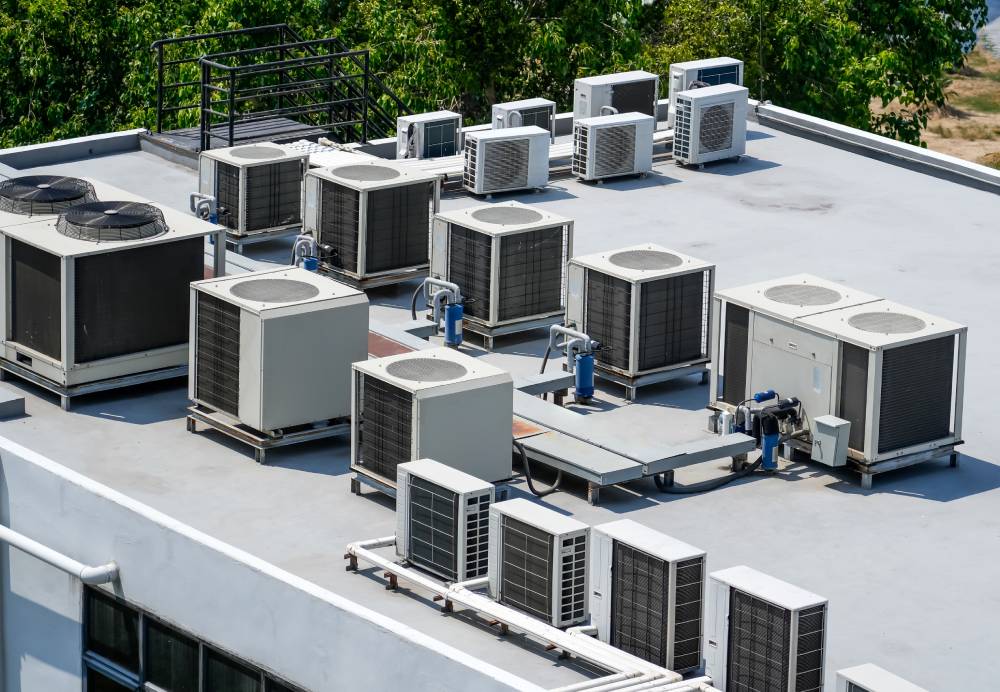
Finding the right commercial air conditioning solutions to keep your business cool and comfortable is crucial, especially in the scorching Perth summers. It’s not just about keeping your employees happy (though that’s a big part of it!); it’s about protecting your equipment, maintaining a comfortable environment for your clients, and ultimately, boosting productivity. But with so many options available, from ducted systems to split systems and everything in between, how do you choose the perfect setup for your specific needs?
Let’s face it, the world of HVAC (Heating, Ventilation, and Air Conditioning) can feel like a confusing maze of technical jargon. British Thermal Units (BTUs), SEER ratings, zoning systems…it’s enough to make your head spin! But don’t worry, we’re here to break it down and guide you through the process of selecting the ideal system for your commercial space. We’ll cover everything from assessing your cooling needs to understanding the different types of systems and finding a reliable installation and maintenance team.
Understanding Your Commercial Air Conditioning Needs
Before diving into the specifics of different air conditioning systems, it’s essential to take a step back and assess your unique cooling requirements. What works for a small office with a handful of employees will be vastly different from what’s needed for a bustling restaurant or a large retail space. Consider these factors:
Size and Layout of Your Space
The square footage of your commercial space is the most obvious factor. A larger area will naturally require a more powerful system to effectively cool it. But it’s not just about the square footage; the layout also matters. Open-plan offices might benefit from a different type of system than spaces with multiple enclosed rooms. Think about how air will circulate and whether you need to consider zoning options.
Number of Occupants
The more people you have in your space, the more heat will be generated. Each person essentially acts as a small heater, contributing to the overall temperature. A higher occupancy rate means you’ll need a system with a greater cooling capacity to maintain a comfortable environment. This is especially important in spaces like call centres or co-working offices where many people are working in close proximity.
Equipment and Machinery
Certain types of equipment, like computers, servers, and industrial machinery, can generate a significant amount of heat. If your business relies on such equipment, you’ll need to factor in this additional heat load when choosing your air conditioning system. Server rooms, for instance, often require dedicated cooling systems to prevent overheating and ensure the smooth operation of critical equipment.
Building Insulation and Window Glazing
The quality of your building’s insulation and window glazing plays a significant role in its ability to retain cool air. Poor insulation and single-pane windows can allow heat to leak in during the summer, forcing your air conditioning system to work harder and consume more energy. Investing in upgrades like insulation and double-glazed windows can significantly improve energy efficiency and reduce your cooling costs.
Local Climate Conditions
Perth’s climate is characterised by hot, dry summers and mild, wet winters. This means that your air conditioning system will be working overtime during the summer months. Choose a system that is specifically designed to handle the extreme heat and humidity that Perth can experience. Consider models with high energy efficiency ratings to minimise your running costs.
Types of Commercial Air Conditioning Systems
Once you have a clear understanding of your cooling needs, you can start exploring the different types of commercial air conditioning systems available. Here’s a rundown of some of the most common options:
Ducted Air Conditioning
Ducted air conditioning is a popular choice for larger commercial spaces. It involves a central unit that is connected to a network of ducts that distribute cool air throughout the building. The system is typically installed in the ceiling or roof space, making it relatively unobtrusive. Ducted systems offer excellent temperature control and can be zoned to allow for individual temperature settings in different areas.
Split Systems
Split systems are a versatile option that is suitable for a variety of commercial applications. They consist of an indoor unit and an outdoor unit. The indoor unit is typically mounted on the wall or ceiling, while the outdoor unit houses the compressor and condenser. Split systems are relatively easy to install and offer good energy efficiency. They are a good choice for smaller offices, retail shops, and restaurants.
Multi-Split Systems
Multi-split systems are similar to split systems, but they allow you to connect multiple indoor units to a single outdoor unit. This can be a cost-effective solution for cooling multiple rooms or zones in a commercial space. Multi-split systems offer independent temperature control for each zone, allowing you to customise the cooling to suit individual preferences.
VRF (Variable Refrigerant Flow) Systems
VRF systems are a sophisticated type of air conditioning that offers precise temperature control and energy efficiency. They use a refrigerant that is varied to match the cooling demands of different zones in the building. VRF systems are ideal for larger commercial buildings with multiple tenants or zones that require different cooling levels. They are more expensive than other types of systems, but they can offer significant energy savings over the long term.
Package Units
Package units are self-contained air conditioning systems that house all the components in a single unit. They are typically installed on the roof or outside the building. Package units are a good choice for commercial spaces where space is limited or where it is not possible to install a ducted system. They are relatively easy to install and maintain.
Choosing the Right System for Your Business
With so many options available, choosing the right commercial air conditioning system for your business can feel overwhelming. Here are some factors to consider when making your decision:
Budget
Your budget will play a significant role in determining which type of system you can afford. Consider not only the initial purchase price but also the ongoing running costs, such as energy consumption and maintenance. It’s often worth investing in a more energy-efficient system upfront, as it can save you money in the long run.
Energy Efficiency
Energy efficiency is an important consideration for any business. Look for systems with high energy efficiency ratings, such as SEER (Seasonal Energy Efficiency Ratio) and EER (Energy Efficiency Ratio). These ratings indicate how efficiently the system converts electricity into cooling power. A higher rating means lower energy consumption and lower running costs.
Noise Levels
Noise levels can be a concern, especially in offices and other environments where quiet is important. Choose a system that operates quietly to avoid disrupting your employees or customers. Look for models with noise reduction features.
Maintenance Requirements
All air conditioning systems require regular maintenance to ensure optimal performance and longevity. Consider the maintenance requirements of different systems before making your decision. Some systems require more frequent maintenance than others. It’s also important to find a reliable maintenance team that can provide regular servicing and repairs.
Installation Costs
Installation costs can vary depending on the type of system and the complexity of the installation. Get quotes from multiple installers to ensure you are getting a fair price. Factor in any additional costs, such as ductwork modifications or electrical upgrades.
The Importance of Professional Installation and Maintenance
Once you’ve chosen the perfect commercial air conditioning system for your business, it’s crucial to have it installed by a qualified professional. A proper installation will ensure that the system operates efficiently and reliably. It will also help to prevent costly repairs down the road.
Regular maintenance is also essential for keeping your system in top condition. A well-maintained system will operate more efficiently, last longer, and provide better air quality. Schedule regular servicing with a reputable HVAC contractor to ensure that your system is properly cleaned, inspected, and tuned up.
Ignoring maintenance can lead to a variety of problems, including:
- Reduced cooling capacity
- Increased energy consumption
- Poor air quality
- System breakdowns
- Higher repair costs
HVAC Repairs and Emergency Services
Even with regular maintenance, air conditioning systems can sometimes break down. When this happens, it’s important to have access to reliable HVAC repairs and emergency services. Look for a contractor that offers 24/7 emergency service to ensure that you can get your system back up and running quickly. Delaying repairs can lead to further damage and more costly repairs in the long run.
Consider the value of having access to prompt assistance with ducted refrigerated air conditioning problems to keep your business environment comfortable.
The Benefits of a Well-Maintained Commercial Air Conditioning System
Investing in a well-maintained commercial air conditioning system offers numerous benefits for your business, including:
- Improved employee productivity: A comfortable work environment can boost employee morale and productivity.
- Enhanced customer experience: A cool and comfortable environment can make customers more likely to stay longer and spend more money.
- Protection of equipment: Proper air conditioning can help to protect sensitive equipment from overheating and damage.
- Reduced energy costs: A well-maintained system will operate more efficiently and consume less energy.
- Improved air quality: Regular maintenance can help to remove dust, pollen, and other allergens from the air, improving air quality.
- Extended system lifespan: Regular maintenance can help to extend the lifespan of your air conditioning system.
Finding a Reputable Commercial Air Conditioning Contractor in Perth
Choosing the right commercial air conditioning contractor is crucial for ensuring that you get the best possible service and support. Look for a contractor that is licensed, insured, and has a proven track record of providing quality workmanship. Check online reviews and ask for references from other businesses in the area. A reliable contractor will be able to assess your needs, recommend the best system for your business, and provide professional installation and maintenance services.
Making the Right Choice for Your Business
Selecting the right system for your business and its needs concerning commercial air conditioning is a significant investment that can have a major impact on your bottom line. By carefully considering your needs, exploring the different types of systems available, and choosing a reputable contractor, you can ensure that you get the best possible value for your money. A comfortable and well-maintained commercial space will not only benefit your employees and customers but also contribute to the overall success of your business.
So, take the time to do your research, ask questions, and make an informed decision. Your business will thank you for it!