
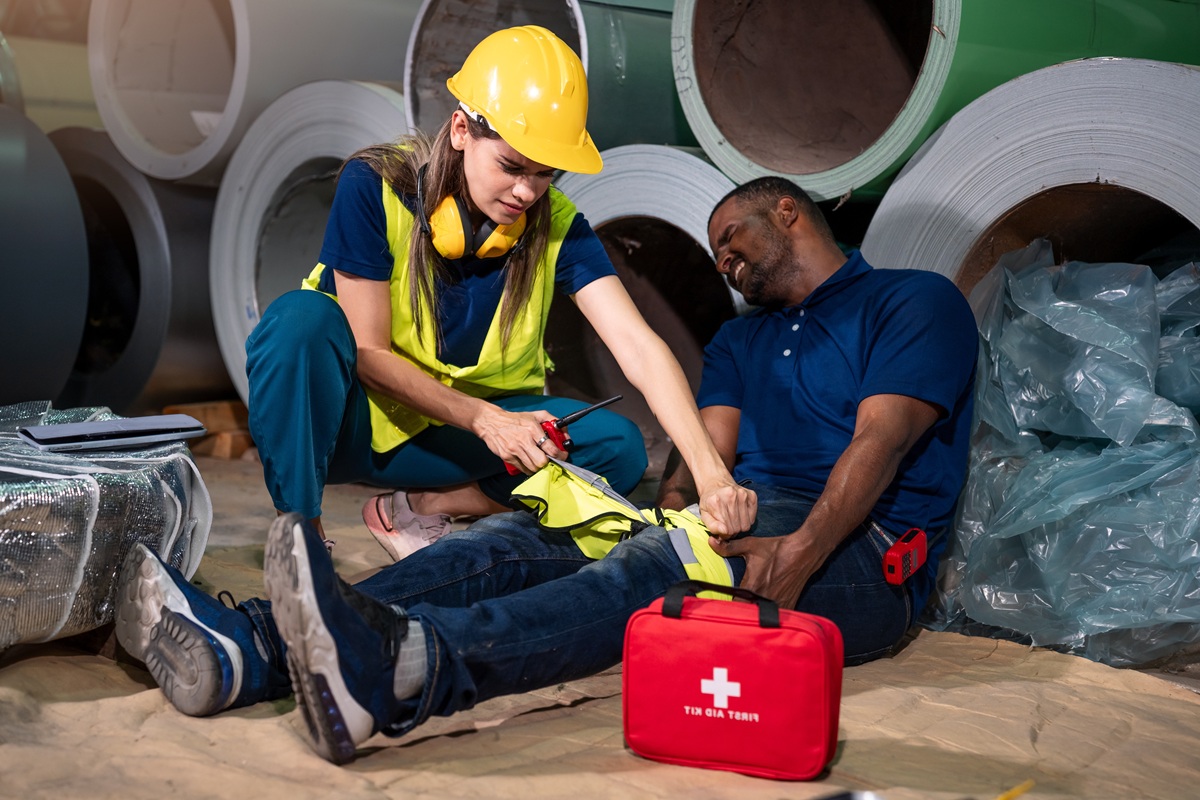
In Australia, ensuring a safe and healthy workplace is not just good practice; it’s the law. And a crucial component of that safety net is having readily available and fully stocked workplace first aid kits. But are you confident that your business ticks all the boxes when it comes to compliance? It’s easy to overlook something, which is why we’ve put together this vital checklist to help you stay on top of your first aid responsibilities.
Think of it this way: your employees are the heart of your business. Providing them with a safe environment, including access to proper first aid, demonstrates that you value their well-being. After all, a quick response to a minor injury can prevent it from escalating into something more serious, keeping your team healthy and productive. Let’s dive into the specifics.
Understanding Your Legal Obligations for First Aid
The cornerstone of workplace safety in Australia is the Work Health and Safety (WHS) Act and Regulations. These laws mandate that employers must provide adequate first aid facilities and resources to deal with injuries and illnesses that may occur in the workplace. But what does “adequate” really mean? It’s not a one-size-fits-all answer; it depends on several factors, including:
- The nature of the work: High-risk industries like construction or manufacturing will naturally require more comprehensive first aid provisions than, say, an office environment.
- The size of your workforce: A larger workforce means a greater potential for incidents, necessitating more extensive first aid supplies and potentially more trained first aiders.
- The location of your workplace: If your workplace is in a remote area, access to emergency services might be delayed, making it even more critical to have robust on-site first aid capabilities.
Essentially, you need to conduct a thorough risk assessment to identify potential hazards and determine the appropriate level of first aid support required. This assessment should be regularly reviewed and updated to reflect any changes in your workplace or operations.
The Essential Components of a Compliant First Aid Kit
Okay, so you know you need a selection of comprehensive first aid kits, but what should they actually contain? While the specific contents may vary depending on your risk assessment, a standard compliant kit will typically include:
- Dressings and Bandages: A variety of sizes and types, including adhesive dressings, crepe bandages, triangular bandages, and sterile gauze pads.
- Wound Cleaning Supplies: Antiseptic wipes or solution to clean wounds and prevent infection.
- Eye Care: Eye wash solution and eye pads for treating eye injuries.
- Personal Protective Equipment (PPE): Gloves (nitrile or latex) to protect both the injured person and the first aider from contamination.
- Instruments: Scissors, tweezers, and safety pins for various first aid tasks.
- Resuscitation Equipment: A CPR mask or shield for safe rescue breathing.
- Documentation: A first aid manual and incident record book to document injuries and treatments.
It’s not enough to simply have these items in a box. They need to be readily accessible, clearly labelled, and in good condition. Regularly check your kits to ensure that supplies haven’t expired or been used up. Think of it like maintaining your car – regular servicing prevents bigger problems down the road.
Beyond the Basics: Additional Considerations
Depending on your specific workplace, you might need to include additional items in your first aid kits. For example:
- For food handling businesses: Blue detectable plasters are essential to prevent contamination.
- For outdoor workplaces: Sunscreen, insect repellent, and snake bite bandages might be necessary.
- For workplaces with hazardous substances: Specific antidotes or treatments for those substances should be readily available.
Don’t just assume that a standard kit will suffice. Take the time to assess your unique needs and tailor your first aid provisions accordingly.
The Importance of Trained First Aiders
Having a well-stocked first aid kit is only half the battle. You also need trained personnel who know how to use it effectively. The number of trained first aiders you need will depend on the size and risk profile of your workplace. As a general rule, it’s recommended to have at least one trained first aider for every 25 employees in a high-risk environment, and one for every 50 employees in a low-risk environment.
First aid training should be conducted by a reputable provider and cover essential topics such as:
- Basic life support (CPR)
- Management of bleeding and wounds
- Treatment of burns and fractures
- Management of common medical conditions (e.g., asthma, diabetes)
- Dealing with allergic reactions (anaphylaxis)
Regular refresher courses are crucial to ensure that your first aiders maintain their skills and knowledge. Think of it like learning a language – if you don’t practice, you’ll quickly forget what you’ve learned.
Maintaining Your First Aid Kits: A Regular Routine
Once you’ve got your first aid kits in place and your first aiders trained, it’s tempting to think you’re done. But ongoing maintenance is essential to ensure that your first aid provisions remain effective. Implement a regular inspection schedule to check for:
- Expired or damaged supplies
- Missing items
- Cleanliness and organisation of the kit
Keep a record of your inspections and restock any items as needed. It’s also a good idea to review your first aid procedures periodically to ensure they are still relevant and effective. Are there any new hazards in the workplace that need to be addressed? Have there been any changes in first aid best practices?
Why Choose Compliant Wholesale Medical Supplies?
Sourcing your compliant wholesale medical supplies from a reputable provider is vital. This ensures that you are getting high-quality products that meet Australian standards. Look for a supplier that can offer:
- A wide range of first aid kits and supplies
- Products that comply with relevant Australian standards
- Competitive pricing
- Reliable delivery
- Expert advice and support
Choosing the right supplier can save you time, money, and hassle in the long run. It’s an investment in the safety and well-being of your employees.
The Cost of Non-Compliance: More Than Just Fines
While the financial penalties for failing to comply with workplace health and safety regulations can be significant, the true cost of non-compliance is much higher. A workplace injury can lead to:
- Lost productivity
- Increased workers’ compensation premiums
- Damage to your company’s reputation
- Decreased employee morale
More importantly, it can cause pain and suffering for the injured worker and their family. Investing in workplace safety, including adequate first aid provisions, is not just a legal obligation; it’s the right thing to do.
Taking Proactive Steps: A Summary Checklist
To ensure your workplace first aid provisions are compliant and effective, follow this checklist:
- Conduct a thorough risk assessment to identify potential hazards.
- Provide adequate arrangements for workplace first aid based on your risk assessment.
- Ensure your first aid kits contain all the necessary supplies and are regularly maintained.
- Train an adequate number of employees in first aid.
- Keep accurate records of injuries and treatments.
- Regularly review and update your first aid procedures.
By taking these proactive steps, you can create a safer and healthier workplace for everyone.
Frequently Asked Questions (FAQs)
1. How often should I check my workplace first aid kit?
It’s recommended to check your first aid kits at least once a month, or more frequently if they are used regularly. This will ensure that supplies are in good condition and haven’t expired.
2. What is the difference between a standard first aid kit and a comprehensive first aid kit?
A standard first aid kit typically contains basic supplies for treating minor injuries, while a comprehensive kit includes additional items for dealing with more serious injuries or medical emergencies. The specific contents will vary depending on your risk assessment.
3. Do I need a defibrillator in my workplace?
While not mandatory in all workplaces, having a defibrillator (AED) can significantly improve the chances of survival for someone experiencing a sudden cardiac arrest. Consider your workplace’s risk profile and consult with a medical professional to determine if a defibrillator is appropriate.
4. How long does first aid training last?
A standard first aid course typically lasts for one to two days, depending on the level of training. Refresher courses are usually shorter and can be completed in a few hours.
5. Where should I store my workplace first aid kits?
First aid kits should be stored in a readily accessible location that is clearly marked and known to all employees. They should be protected from extreme temperatures and moisture.
Also Read: 7 Workplace First Aid Kit Essentials You Can’t Afford to Miss