
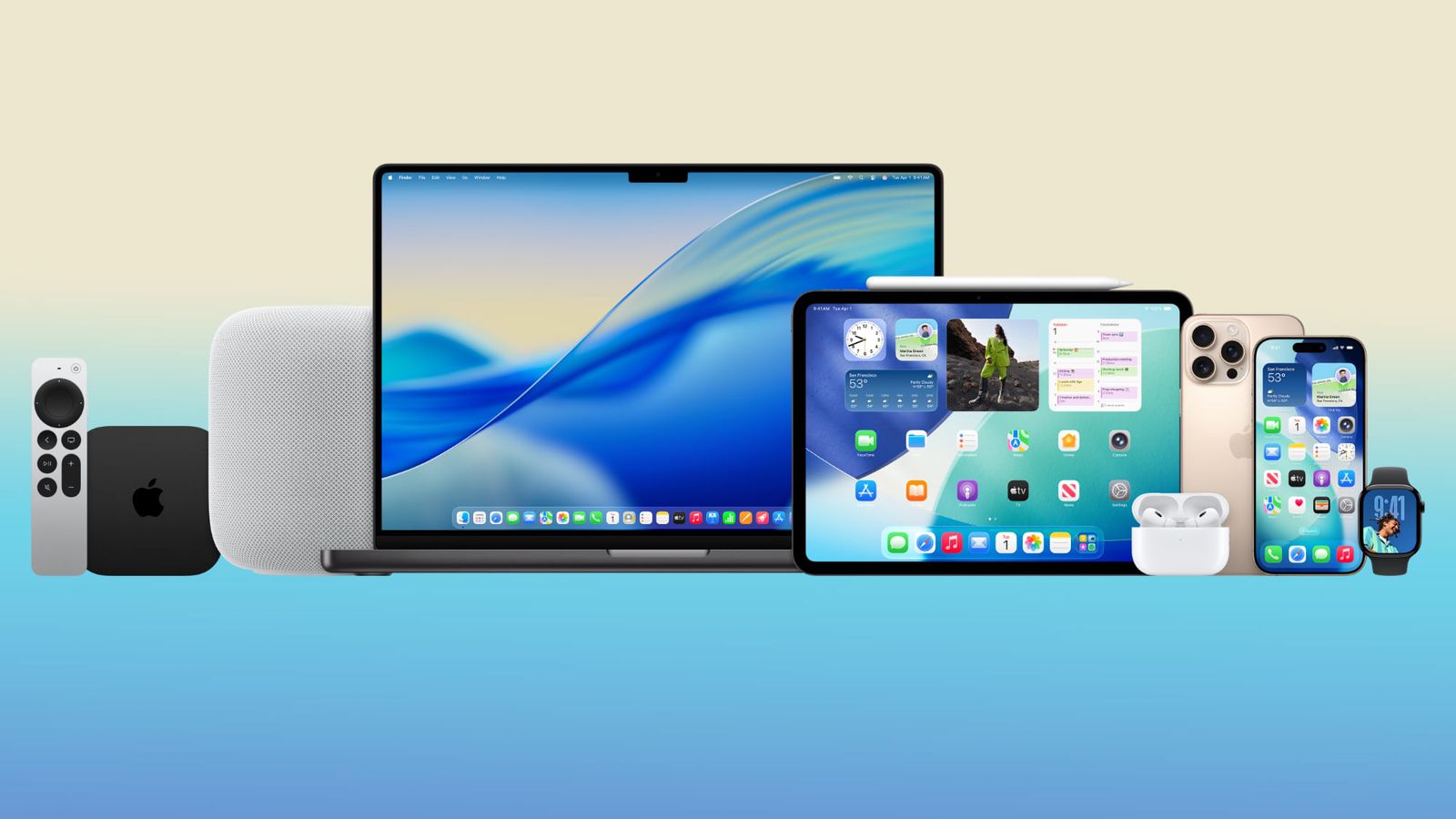
Introduction to Apple Inc.
Apple Inc. is one of the most recognizable and valuable companies in the world, shaping how people interact with technology on a daily basis. Known for its premium hardware, tightly integrated software ecosystem, and strong brand loyalty, Apple has built a business model that blends innovation with design-led thinking.
Founded in the late 20th century, the company has grown from a small computer manufacturer into a global technology leader influencing multiple industries, including consumer electronics, digital services, entertainment, and payments.
Company Background and History
Apple was founded in 1976 by Steve Jobs, Steve Wozniak, and Ronald Wayne. The company initially focused on personal computers, gaining attention with the Apple I and Apple II.
Key historical milestones include:
-
The launch of the Macintosh, which popularized graphical user interfaces
-
Steve Jobs’ return in the late 1990s, marking a major turnaround
-
The introduction of the iPod, iPhone, and iPad, redefining consumer technology categories
Apple’s ability to reinvent itself has been central to its long-term success.
Core Business Model
Apple operates on a vertically integrated business model, controlling both hardware and software to deliver a seamless user experience.
Key revenue streams include:
-
Hardware sales (iPhone, Mac, iPad, wearables)
-
Services (App Store, subscriptions, cloud services)
-
Accessories (AirPods, Apple Watch, peripherals)
This structure allows Apple to maintain high margins while reinforcing customer loyalty through ecosystem lock-in.
Product and Service Ecosystem
Apple’s ecosystem is one of its strongest competitive advantages. Products and services are designed to work together seamlessly, increasing user retention.
Major product categories:
-
iPhone – flagship smartphone and largest revenue driver
-
Mac – personal computers powered by Apple silicon
-
iPad – tablets for productivity and entertainment
-
Wearables – Apple Watch and AirPods
-
Services – music, video streaming, payments, and cloud storage
The ecosystem strategy ensures that customers who buy one Apple product are more likely to adopt others.
Innovation and Research Strategy
Apple invests heavily in research and development, focusing on long-term innovation rather than short-term trends.
Areas of strategic focus include:
-
Custom silicon development
-
Artificial intelligence and machine learning
-
Augmented and mixed reality
-
Privacy-first technologies
Rather than being first to market, Apple often refines technologies to deliver polished, consumer-ready solutions.
Corporate Culture and Leadership
Apple’s corporate culture emphasizes:
-
Design excellence
-
Secrecy and focus
-
Cross-functional collaboration
Leadership under CEO Tim Cook has strengthened operational efficiency while expanding Apple’s presence in services and sustainability initiatives.
Market Position and Competitive Advantage
Apple competes in highly saturated markets but differentiates itself through:
-
Strong brand equity
-
Premium positioning
-
Integrated hardware-software experience
-
Loyal global customer base
These advantages allow Apple to maintain pricing power even during economic uncertainty.
Future Outlook
Looking ahead, Apple is expected to focus on:
-
Expanding its services portfolio
-
Advancing spatial computing technologies
-
Enhancing health-focused wearable features
-
Strengthening sustainability and carbon-neutral goals
The company’s long-term strategy suggests continued growth through ecosystem expansion rather than reliance on a single product line.
Frequently Asked Questions (FAQs)
1. What makes Apple Inc. different from other technology companies?
Apple controls both hardware and software, enabling a seamless ecosystem that few competitors can replicate.
2. Is Apple mainly a hardware or services company?
While hardware remains the largest revenue source, services are a fast-growing and increasingly important segment.
3. How does Apple maintain customer loyalty?
Through ecosystem integration, user experience consistency, and long-term software support.
4. What role does innovation play in Apple’s strategy?
Innovation is central, with a focus on refining technologies rather than rushing products to market.
5. How important is privacy to Apple?
Privacy is a core brand value, influencing product design, software policies, and marketing.
6. Does Apple manufacture its own products?
Apple designs its products but relies on a global supply chain for manufacturing and assembly.
7. What industries might Apple enter in the future?
Potential areas include advanced health technology, augmented reality, and new digital services.