
Introduction to the Modern Automotive Shift
The automotive industry is experiencing one of the most significant transformations in its history. Traditional internal combustion engines are gradually giving way to electric vehicles (EVs), driven by environmental concerns, technological innovation, and changing consumer expectations. What was once a niche market has now become a central pillar of global automotive strategy.
Why Electric Vehicles Are Gaining Momentum
Electric vehicles are no longer defined by compromise. Advances in engineering and infrastructure have made them practical, efficient, and desirable for everyday use.
Key Drivers Behind EV Adoption
-
Environmental responsibility with reduced tailpipe emissions
-
Lower operating costs compared to fuel-powered vehicles
-
Government incentives supporting clean transportation
-
Rapid advancements in battery technology
Automakers such as Tesla, Toyota, and Volkswagen are investing heavily in electrification to remain competitive in this changing landscape.
Battery Innovation and Performance Improvements
At the heart of every electric vehicle lies its battery system. Modern EV batteries offer longer ranges, faster charging times, and improved durability compared to earlier generations.
Notable Battery Advancements
-
Higher energy density enabling extended driving range
-
Fast-charging capability reducing downtime
-
Improved thermal management for safety and efficiency
-
Recyclable materials supporting sustainability goals
These developments are making EVs more accessible and reliable for both urban and long-distance driving.
Charging Infrastructure: Closing the Convenience Gap
A robust charging network is essential for mass EV adoption. Public and private investments have significantly expanded charging availability worldwide.
Types of EV Charging Solutions
-
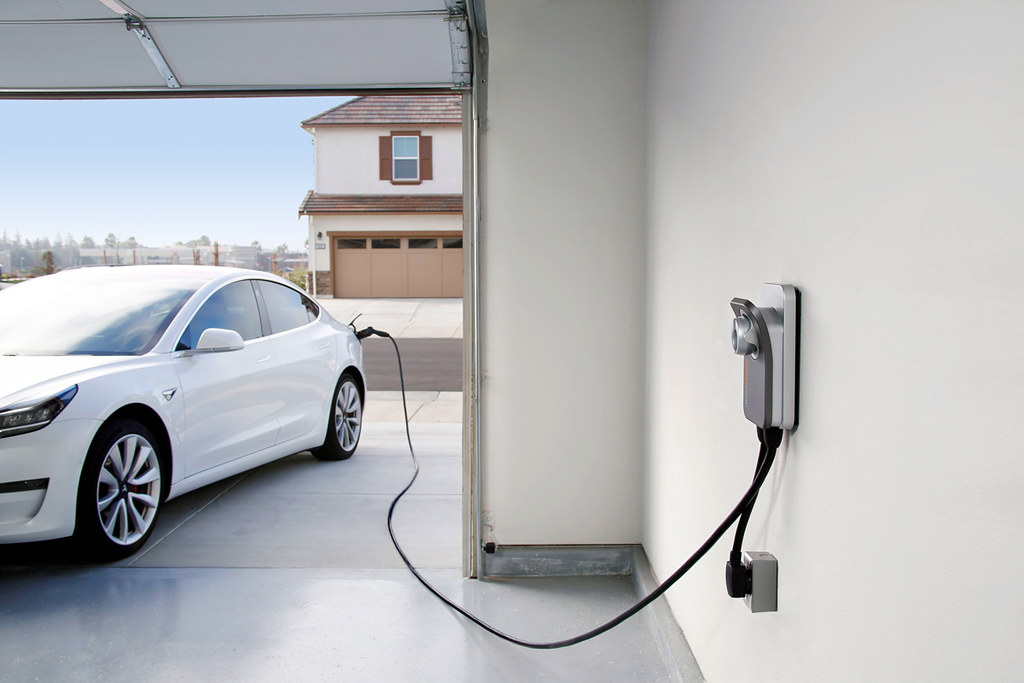
Home charging systems for overnight convenience
-
Public AC chargers for workplaces and parking areas
-
DC fast chargers designed for rapid top-ups during travel
With improved accessibility, range anxiety is steadily becoming a concern of the past.
Impact on the Broader Automotive Industry
The shift to electric mobility is reshaping how vehicles are designed, manufactured, and sold.
Industry-Wide Changes
-
Simplified vehicle architecture with fewer moving parts
-
Increased focus on software and connectivity
-
Growth in over-the-air updates and digital features
-
New business models, including subscription-based services
Electric vehicles are not just changing engines—they are redefining the entire driving experience.
Challenges Slowing Full-Scale Adoption
Despite progress, several hurdles remain before EVs achieve universal acceptance.
-
High upfront purchase costs in some markets
-
Limited charging infrastructure in rural regions
-
Battery production’s reliance on critical raw materials
-
Consumer education and trust-building
Addressing these challenges will be critical for sustained growth.
The Road Ahead for Automotive Innovation
Looking forward, electric vehicles are expected to integrate more closely with renewable energy systems, autonomous driving technologies, and smart cities. As costs decline and performance improves, EVs will likely become the default choice for new car buyers.
The automotive future is not just electric—it is intelligent, connected, and sustainable.
Frequently Asked Questions (FAQs)
1. How long do electric vehicle batteries typically last?
Most EV batteries are designed to last between 8 to 15 years, depending on usage and environmental conditions.
2. Are electric vehicles suitable for long-distance travel?
Yes, modern EVs with extended range and fast-charging networks are increasingly capable of long-distance journeys.
3. Do electric vehicles require less maintenance than traditional cars?
Electric vehicles generally need less maintenance due to fewer mechanical components and no oil changes.
4. How environmentally friendly are electric vehicles overall?
While battery production has an environmental impact, EVs produce significantly lower emissions over their lifetime compared to gasoline vehicles.
5. Can electric vehicles be charged using renewable energy?
Yes, EVs can be charged using solar, wind, or other renewable energy sources, further reducing their carbon footprint.
6. Are electric vehicles safe in extreme weather conditions?
Modern EVs are rigorously tested and designed to perform safely in both hot and cold climates.
7. Will electric vehicles become more affordable in the future?
As battery costs decline and production scales up, EV prices are expected to become more competitive with traditional vehicles.